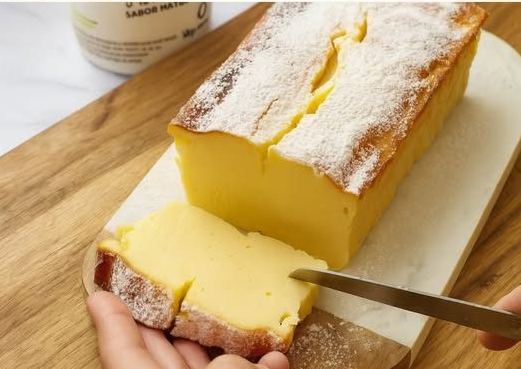
You’ve seen it: a smiling influencer holding a slice of cake, claiming:
“I eat this every night and haven’t gained a single pound! Only 90 calories!”
It sounds too good to be true—and honestly, it probably is. While it’s possible to enjoy cake daily and maintain your weight, the reality is far more nuanced than a catchy caption suggests.
Let’s unpack what’s really going on—and how to enjoy dessert without guilt or gimmicks.
- What This “90-Calorie Cake” Likely Is
- The Hidden Truths Behind the Claim
- 1. “Every Night” Isn’t the Whole Story
- 2. 90 Calories Is Tiny
- 3. Psychological “Permission” Can Backfire
- 4. Sustainability Matters
- A Healthier, More Balanced Approach to Dessert
- 1. Practice Portion Control
- 2. Move Your Body
- 3. Prioritize Whole Foods Most of the Time
- 4. Choose Real Ingredients
- If You Still Want a Low-Cal Cake—Try This Honest Version
- Final Thought: Enjoy Food—Without the Hype
 What This “90-Calorie Cake” Likely Is
The dessert in question is almost certainly a single-serving mug cake or diet cake made with:
- Egg whites or egg substitutes
- Sugar-free sweeteners (like stevia or erythritol)
- Protein powder or almond flour
- Zero-calorie chocolate chips
- Water or applesauce instead of oil or butter
A typical recipe might yield one small ramekin (about ½ cup) totaling 80–110 calories.
Yes, it’s possible to make a low-calorie cake.
But it’s not “cake” as most know it—it’s often dry, rubbery, or overly sweet.
 The Hidden Truths Behind the Claim
1. “Every Night” Isn’t the Whole Story
Weight maintenance isn’t about one food—it’s about total daily calories.
- If someone eats 1,200 calories during the day, a 90-calorie cake keeps them in a deficit.
- But if they’re already eating 2,200+ calories, that cake will contribute to weight gain over time.
Weight loss/gain = calories in vs. calories out—not one “magic” food.
2. 90 Calories Is Tiny
For perspective:
- 1 slice of bread = 80 calories
- 1 tbsp peanut butter = 90 calories
- 1 small apple = 80 calories
A real slice of homemade cake? 300–500+ calories.
3. Psychological “Permission” Can Backfire
Calling a cake “guilt-free” may lead to overeating other foods (“I was good, so I deserve this”) or disordered eating patterns.
4. Sustainability Matters
Would you really want to eat the same dry, artificial-tasting cake every single night? Deprivation often leads to bingeing later.
A Healthier, More Balanced Approach to Dessert
You can enjoy cake and maintain your weight—without gimmicks:
1. Practice Portion Control
- Have a real slice (200–300 cal) once or twice a week—not every night.
- Savor it slowly, without distractions.
2. Move Your Body
- A 30-minute walk burns ~150 calories—enough to “offset” a small slice.
- Focus on joyful movement, not punishment.
3. Prioritize Whole Foods Most of the Time
- Fill your plate with veggies, protein, and fiber.
- Then, dessert becomes a treat, not a trap.
4. Choose Real Ingredients
- A small slice of real cake with sugar, butter, and eggs is more satisfying than artificial substitutes—and won’t leave you craving more.
Food isn’t “good” or “bad.” It’s fuel, joy, and culture.
If You Still Want a Low-Cal Cake—Try This Honest Version
Ingredients (makes 1 serving):
- 2 tbsp whole-wheat flour
- 1 tbsp cocoa powder
- 1 tbsp honey or maple syrup
- 1 egg
- 1 tbsp applesauce
- ¼ tsp baking powder
- Pinch of salt
Instructions:
Mix, microwave 60–90 seconds. ~180 calories—but satisfying, real, and honest.
Better to enjoy a small portion of real cake than a “fake” one you don’t love.
Final Thought: Enjoy Food—Without the Hype
You don’t need magic cakes or calorie tricks to enjoy dessert. Real balance comes from mindfulness, not miracles.
So have your cake—the real kind—on your birthday, at a friend’s party, or just because it’s Tuesday. Eat it slowly. Share it with someone you love. And trust that one slice won’t ruin your health.
True wellness isn’t perfection—it’s peace with your plate.
Have you tried “90-calorie cakes”? Share your experience below! And if this helped you see through the hype, pass it on. Real health starts with honesty—not viral claims.