Introduction
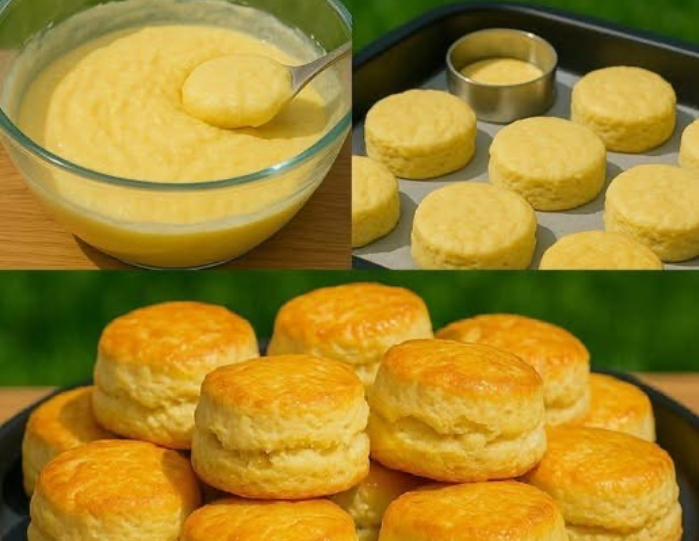
There’s something undeniably comforting and utterly delicious about a warm, flaky biscuit, fresh from the oven. These aren’t just any biscuits; these are classic buttery biscuits, a testament to simple ingredients coming together to create pure magic. Imagine biting into a tender, golden-brown exterior, giving way to soft, airy layers infused with rich, creamy butter. It’s a culinary experience that transports you to a place of cozy mornings and heartfelt meals, making them a beloved staple in kitchens across the globe.
What makes this particular recipe stand out? It’s the commitment to maximizing that irresistible buttery flavor and achieving perfect flakiness. We’ve honed the technique to ensure each biscuit boasts those coveted layers that practically melt in your mouth, without being overly complicated. This recipe is designed for both seasoned bakers and eager beginners, promising a batch of biscuits that are not only extra buttery but also incredibly easy to make. The secret lies in the quality of ingredients and a few simple, yet crucial, steps that guarantee success every time.
These versatile beauties are perfect for any occasion. Serve them warm with a dollop of jam and butter for a quintessential breakfast or brunch treat. They’re also an ideal accompaniment to hearty soups and stews, soaking up every last drop of flavorful broth. For a truly indulgent experience, split them open and smother them with creamy sausage gravy, or use them as the foundation for a delicious breakfast sandwich. No matter how you choose to enjoy them, these classic buttery biscuits are sure to become a cherished recipe in your culinary repertoire.
Nutritional Information
Per serving (approximate values):
- Calories: 280
- Protein: 5g
- Carbohydrates: 30g
- Fat: 16g
- Fiber: 1g
- Sodium: 450mg
Ingredients
- 2 cups (240g) all-purpose flour, plus more for dusting
- 1 tablespoon baking powder
- 1 teaspoon granulated sugar (optional, for a touch of sweetness)
- 1/2 teaspoon salt
- 8 tablespoons (1 stick or 113g) unsalted butter, very cold and cut into 1/2-inch cubes
- 3/4 cup (180ml) cold buttermilk (or milk with 1 tablespoon lemon juice/vinegar, let sit 5 mins)
- 1 large egg, for egg wash (optional, for golden-brown tops)
- 1 tablespoon water, for egg wash (optional)
Instructions
- Preheat your oven to 425°F (220°C). Line a baking sheet with parchment paper or a silicone baking mat.
- In a large bowl, whisk together the flour, baking powder, sugar (if using), and salt. Ensure all dry ingredients are well combined.
- Add the very cold, cubed butter to the dry ingredients. Using a pastry blender, two knives, or your fingertips, cut the butter into the flour mixture until it resembles coarse crumbs with some pea-sized pieces of butter remaining. This step is crucial for flaky biscuits, so avoid overworking the butter and keep it as cold as possible.
- Make a well in the center of the flour and butter mixture. Pour in the cold buttermilk. Stir gently with a fork or rubber spatula until just combined. The dough should still look shaggy and a little dry in places; avoid overmixing, as this can lead to tough biscuits.
- Turn the dough out onto a lightly floured surface. Gently bring the dough together into a cohesive mass. Do not knead vigorously.
- To create layers, gently pat the dough into a rectangle, about 1-inch thick. Fold one-third of the dough over the middle, then fold the other third over that (like folding a letter). Rotate the dough 90 degrees and repeat the patting and folding process 2-3 more times. This gentle folding helps build those beautiful, flaky layers without developing too much gluten.
- Pat the dough out to about 3/4-inch to 1-inch thickness. Using a 2-inch or 2.5-inch biscuit cutter, cut straight down into the dough. Do not twist the cutter, as twisting can seal the edges and prevent the biscuits from rising properly.
- Place the cut biscuits onto the prepared baking sheet, spacing them about 1 inch apart for crispier edges, or closer together for softer sides. Gather any dough scraps, gently press them together (again, avoid overworking), and cut out any remaining biscuits.
- If using an egg wash, whisk the egg with 1 tablespoon of water in a small bowl. Gently brush the tops of the biscuits with the egg wash for a golden-brown finish.
- Bake for 12-15 minutes, or until the tops are golden brown and the biscuits are cooked through. The exact baking time may vary depending on your oven.
- Remove from the oven and let cool slightly on the baking sheet before serving warm.
Cooking Tips and Variations
Achieving the perfect biscuit is all about precision and a few key techniques. Firstly, the importance of cold ingredients cannot be overstated. Using very cold butter and buttermilk (or milk) prevents the butter from melting into the dough too quickly. As the cold butter melts in the hot oven, it creates steam, which is what gives biscuits their incredible flaky layers. You can even chill your flour and mixing bowl for 10-15 minutes before starting. When cutting in the butter, work quickly to minimize heat transfer from your hands. If your kitchen is warm, you can even pop the bowl of dry ingredients and butter into the freezer for 5-10 minutes if the butter starts to soften too much.
Gentle handling of the dough is another critical factor. Overmixing or overworking the dough develops gluten, which leads to tough, dense biscuits instead of light and tender ones. Once the wet ingredients are added, mix only until just combined. The dough should still look a bit shaggy. The folding technique described in the instructions is vital for creating layers. Each fold adds more distinct layers of butter and dough, which then puff up in the oven. Remember to pat the dough out gently and avoid using a rolling pin if possible, as it can compress the layers you’ve worked to create. When cutting the biscuits, press straight down with your cutter. Twisting seals the edges, preventing the biscuit from rising fully and achieving that beautiful, airy texture.
Don’t be afraid to experiment with variations to customize your biscuits. For a savory twist, try adding 1/2 cup of shredded sharp cheddar cheese and 1 tablespoon of chopped fresh chives or dill to the dry ingredients. A pinch of garlic powder or onion powder can also enhance the savory profile. For a slightly sweeter option, increase the sugar to 2 tablespoons and add 1/2 teaspoon of cinnamon to the dry ingredients, perfect for serving with coffee. You can also incorporate dried herbs like rosemary or thyme for an aromatic biscuit that pairs wonderfully with roasted meats or soups. Just remember to keep the added ingredients cold if they are solid, like cheese, to maintain the desired texture.
Finally, ensure your oven is preheated to the correct temperature before baking. A hot oven helps the biscuits rise quickly and creates a beautiful golden-brown crust. If your oven temperature is too low, the butter will melt out of the biscuits before they have a chance to set, resulting in flat, greasy biscuits. Baking them closer together on the baking sheet will result in softer sides, while spacing them further apart will yield crispier edges all around. Experiment to find your preferred texture!