Vibrant, earthy, and packed with nutrients, beets (or beetroot) are far more than just a colorful addition to your salad. Backed by growing scientific research, this humble root vegetable offers powerful benefits for your heart, brain, athletic performance, and more.
Here’s what experts say—and how to get the most from every bite.
Contents
- Top 5 Science-Backed Benefits of Beets
- 1. Lowers Blood Pressure Naturally
- 2. Enhances Exercise Performance & Stamina
- 3. Supports Brain Health & Cognitive Function
- 4. Rich in Antioxidants & Anti-Inflammatory Compounds
- 5. High in Fiber & Folate for Overall Wellness
- How to Eat Beets for Maximum Benefit
- Important Considerations
- The Bottom Line
 Top 5 Science-Backed Benefits of Beets
1. Lowers Blood Pressure Naturally
Beets are one of the richest dietary sources of dietary nitrates, which your body converts into nitric oxide—a compound that relaxes and widens blood vessels.
- Evidence: A 2023 meta-analysis in Hypertension found that drinking 250ml (about 1 cup) of beet juice daily reduced systolic blood pressure by 4–10 mmHg within hours.
- Best for: Those with prehypertension or looking to support cardiovascular health.
2. Enhances Exercise Performance & Stamina
Nitric oxide also improves oxygen delivery to muscles, delaying fatigue.
- Evidence: Studies show athletes who consume beet juice before exercise can extend time to exhaustion by up to 15% and improve efficiency.
- Tip: Drink beet juice 2–3 hours before a workout for peak effect.
3. Supports Brain Health & Cognitive Function
Improved blood flow isn’t just for muscles—it helps the brain too.
- Evidence: Research from Wake Forest University found that older adults who drank beet juice before exercise showed increased connectivity in brain regions linked to executive function—mimicking patterns seen in younger brains.
- Long-term: May help slow age-related cognitive decline.
4. Rich in Antioxidants & Anti-Inflammatory Compounds
Beets contain betalains—unique pigments responsible for their deep red color—that fight oxidative stress and inflammation.
- Bonus: These compounds may support liver detoxification and reduce risk of chronic disease.
5. High in Fiber & Folate for Overall Wellness
- Fiber: 1 cup cooked beets = 3.4g fiber—supports gut health and stable blood sugar.
- Folate (vitamin B9): Essential for cell repair, DNA synthesis, and pregnancy health.
 How to Eat Beets for Maximum Benefit
|
Form
|
Pros
|
Best For
|
|---|---|---|
|
Raw (grated in salads)
|
Highest nitrate & enzyme content
|
Digestive health, fresh crunch
|
|
Roasted
|
Concentrated sweetness, caramelized flavor
|
Side dishes, grain bowls
|
|
Juiced
|
Fast nitrate absorption
|
Pre-workout, blood pressure support
|
|
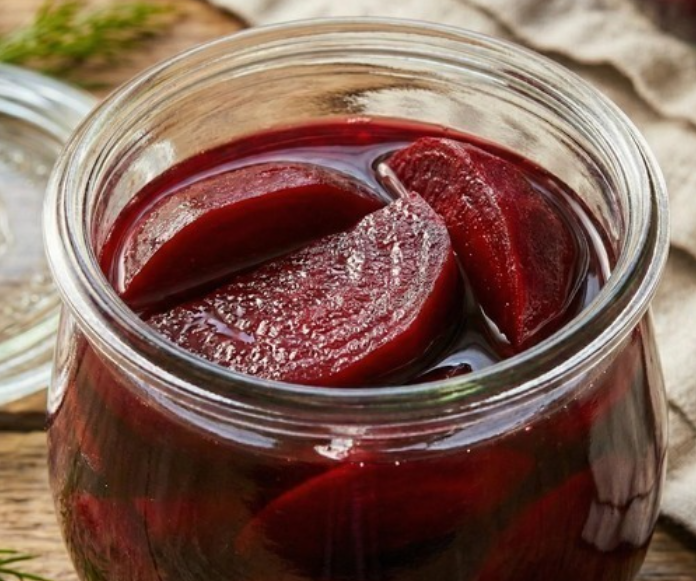
Pickled
|
Probiotics + convenience
|
Gut health, sandwiches, charcuterie
|
|
Powdered (in smoothies)
|
Shelf-stable, concentrated
|
On-the-go nutrition
|
Pro Tip: Pair beets with vitamin C-rich foods (like citrus or bell peppers)—this boosts iron absorption and stabilizes nitrate conversion.
 Important Considerations
- Beeturia: Harmless pink/red urine or stool after eating beets—occurs in ~10–14% of people due to genetic differences in metabolism.
- Kidney stones: Beets are high in oxalates—those prone to calcium-oxalate stones should moderate intake.
- Blood pressure meds: If you take medication for hypertension, consult your doctor before adding large amounts of beet juice—effects can compound.
 The Bottom Line
Beets aren’t a miracle cure—but they’re a powerful, natural tool for supporting circulation, energy, and long-term vitality. Whether roasted, juiced, or pickled, this ruby-red root is a simple way to add science-backed wellness to your plate.
“Nature’s medicine often comes in the quietest colors—and the deepest roots.”
So roast them, blend them, or sip them. Your heart, brain, and muscles will thank you.